
10 Best Recycling Resources to Improve Your Recycling Habits
- ResposeIndia
- Oct 28, 2025
- 7 min read

Introduction
Recycling isn’t just about throwing items into a trash container; it's about understanding what materials can be recycled, how to recycle them correctly, and the impact your actions have on the environment. Many people believe they are recycling effectively, but without the right knowledge, recyclable items often end up in landfills due to contamination or improper sorting. This is where credible recycling resources come into play.
Recycling resources from authoritative websites and educational blogs to research papers and practical guides provides the knowledge needed to make informed decisions. They help individuals and communities understand complex recycling rules, stay updated on local and global recycling regulations, and adopt habits that genuinely reduce waste. Whether you are a beginner looking to start recycling at home or someone wanting to deepen their understanding of sustainable practices, these resources are invaluable.
Moreover, using quality recycling resources goes beyond personal action. It can influence your community, workplace, or business to adopt environmentally responsible practices. For instance, local recycling guides can help you locate nearby recycling centers, while research studies can show innovative ways to recycle materials more efficiently. By leveraging these resources, you not only improve your recycling habits but also contribute to a larger cultural shift toward sustainability.
In this blog, we’ve compiled 10 of the best recycling resources , including websites, blogs, apps, and research papers that will educate, guide, and inspire you to recycle smarter. Each resource has been selected based on reliability, practical value, and accessibility, ensuring that you can apply the insights directly in your daily life. Whether your goal is to reduce household waste, teach others, or simply become more eco-conscious, these resources will provide the tools and information you need to succeed.
1. EPA Recycling Resources
Why It’s Useful: The Environmental Protection Agency (EPA) Recycling Resources is one of the most authoritative sources for recycling information in the United States. It provides detailed guides on recyclable materials, proper waste management, and strategies to reduce contamination in recycling programs. This resource is ideal for anyone from beginners looking to start recycling at home to experienced recyclers who want to stay updated on best practices. The EPA’s resources are backed by research and offer trustworthy, practical information to help individuals and communities adopt sustainable habits.
Key Features
Comprehensive lists of materials that can and cannot be recycled.
Step-by-step instructions for proper sorting and disposal of recyclables.
Educational infographics and videos to help explain recycling concepts.
Guidelines for both household and commercial recycling programs.
Updates on local recycling laws and initiatives across the U.S.
How to Apply It in Daily Life
Use the EPA’s local recycling guides to understand what your community accepts.
Follow proper sorting and cleaning techniques to prevent contamination.
Teach friends, family, or colleagues using the educational resources available on the EPA site.
Monitor updates regularly to stay informed about changes in recycling programs.
Key Takeaway: By using the EPA’s recycling resources, you gain access to reliable, research-backed guidance that can improve your recycling habits and help reduce waste effectively. Consistently applying these insights ensures that your recycling efforts are meaningful and impactful.
2. Earth911
Why It’s Useful: Earth911 is one of the most comprehensive online recycling resources available, helping users find local recycling solutions and learn sustainable practices. It’s particularly valuable because it not only provides information on what materials can be recycled but also offers a practical tool to locate recycling centres near you. This makes it easy to take action and ensures that your recycling efforts actually reach the right facilities.
Key Features
Recycling Search Tool: Enter an item or material to find nearby recycling centers.
Educational Articles: Learn about sustainable living, zero-waste practices, and innovative recycling methods.
Community Engagement: Forums and blogs where users share tips and experiences.
Guides for Specific Items: Specialised instructions for electronics, batteries, plastics, and more.
How to Apply It in Daily Life
Use the Earth911 recycling locator to find the correct drop-off points for hard-to-recycle items.
Follow practical tips and guides for reducing waste and improving recycling habits.
Share insights from articles and forums with your community to promote awareness.
Keep track of recycling updates in your area using their site or newsletter.
Key Takeaway: By leveraging Earth911 as a primary recycling resource, you can recycle smarter, locate recycling facilities effortlessly, and stay informed about the latest sustainable practices. This ensures your actions contribute effectively to waste reduction and environmental preservation.
3. National Geographic Recycling Guides
Why It’s Useful: National Geographic provides some of the most credible and visually engaging recycling resources available. Their guides combine in-depth research with clear explanations and graphics, making it easy for readers to understand complex topics like waste management, material recycling, and sustainable living. These resources are especially valuable for those who want to deepen their knowledge and understand the environmental impact of improper recycling.
Key Features
Educational Articles: Topics cover recycling, zero-waste living, and environmental conservation.
Infographics and Visual Guides: Simplify complex recycling processes.
Research-Backed Insights: All content is based on reliable environmental research.
Interactive Learning: Includes quizzes, videos, and interactive tools to engage readers.
How to Apply It in Daily Life
Read their Recycling & Waste Management Guides to learn the best practices for different materials.
Use infographics to educate your family or community on proper recycling habits.
Stay updated with environmental news and global recycling trends to improve your personal practices.
Key Takeaway: By using National Geographic’s recycling resources, you gain access to well-researched, visually engaging, and practical information. This helps you make informed decisions about recycling, reduces waste, and promotes sustainable habits in everyday life.
4. Scholarly Research Papers on Recycling Practices
Why It’s Useful: Academic papers provide evidence-based insights into effective recycling methods, waste reduction strategies, and innovative recycling technologies. They help readers understand the science behind what works and what doesn’t in real-world recycling programs. By consulting these papers, you can learn advanced strategies for sorting, reusing, and repurposing materials.
Key Features:
Detailed analysis of recycling efficiency and contamination issues.
Case studies on innovative recycling initiatives worldwide.
Statistical data on material recovery rates and environmental impact.
How to Apply in Daily Life:
Use research findings to improve your home recycling system.
Share insights with your community or workplace to promote better practices.
Stay informed about emerging trends, like chemical recycling or circular economy initiatives.
Example Resource: Google Scholar – Recycling Studies
5. Zero Waste Home Blog
Why It’s Useful: The Zero Waste Home Blog offers practical, actionable advice on reducing waste and improving recycling habits. Written by Bea Johnson, a pioneer of the zero-waste movement, the blog is full of tips that are easy to implement at home, making it one of the most approachable recycling resources for beginners.
Key Features:
Step-by-step guides to reduce household waste.
DIY tutorials for reusing materials instead of discarding them.
Insights on sustainable shopping, composting, and recycling correctly.
How to Apply in Daily Life:
Start small by applying one tip per week to your household.
Track what items you can recycle, reuse, or compost.
Encourage friends and family to adopt zero-waste practices.
Link: Zero Waste Home
6. Recycling Today
Why It’s Useful: Recycling Today is a leading news and information resource for the recycling industry. It covers trends, regulations, and innovations in recycling and waste management, making it an excellent recycling resource for those who want to stay updated on the broader environmental and industry perspective.
Key Features:
Latest news on recycling technologies and policies.
Analysis of market trends and environmental impact studies.
Insights into global and local recycling programs.
How to Apply in Daily Life:
Stay informed about changing recycling regulations in your area.
Learn about new recycling technologies you can adopt at home or in your community.
Share updates and tips with others to encourage sustainable behavior.
Link: Recycling Today
7. iRecycle App
Why It’s Useful: The iRecycle App is a practical tool for finding local recycling centers and understanding what items can be recycled. It’s one of the most user-friendly recycling resources for mobile users, making recycling accessible anytime, anywhere.
Key Features:
Searchable database of recycling locations across the U.S.
Information on accepted materials at each facility.
Alerts for special recycling events and hazardous waste collection.
How to Apply in Daily Life:
Use the app to locate the nearest facility for electronics, plastics, or batteries.
Track your recycling habits and plan trips to reduce environmental impact.
Encourage family or friends to use the app to recycle correctly.
Link: iRecycle App
8. Recycle Coach
Why It’s Useful: Recycle Coach is an educational app designed to help individuals and communities improve recycling and waste management. It is widely used by municipalities to provide updated, location-specific recycling guidelines.
Key Features:
Personalized recycling reminders and schedules.
Easy-to-understand guides on how to recycle different materials.
Interactive quizzes to improve recycling knowledge.
How to Apply in Daily Life:
Set reminders for collection days to ensure timely recycling.
Check your local guidelines to avoid contamination.
Use quizzes and educational tools to engage your household in recycling.
Link: Recycle Coach
9. UN Environment Programme (UNEP) Reports
Why It’s Useful: UNEP provides globally recognized research and reports on recycling, waste management, and sustainability. These recycling resources are perfect for understanding international practices, trends, and innovative solutions.
Key Features:
Research-based global statistics and insights.
Case studies on successful recycling programs.
Policy recommendations and environmental impact assessments.
How to Apply in Daily Life:
Learn from successful recycling initiatives in other countries.
Implement scalable ideas in your community or workplace.
Stay informed on global environmental standards and sustainability trends.
Link: UNEP Publications
10. Recycling Today Europe
Why It’s Useful: Recycling Today Europe provides news, case studies, and insights into European recycling innovations. It’s an excellent recycling resource for those interested in global recycling trends and technologies.
Key Features:
Updates on European recycling regulations and market developments.
Analysis of waste management technologies.
Case studies highlighting best practices.
How to Apply in Daily Life:
Learn innovative recycling techniques that could be adapted locally.
Understand how policy changes affect recycling practices worldwide.
Stay inspired to implement sustainable solutions at home or in your community.
Link: Recycling Today Europe
Frequently Asked Questions (FAQs)
1. What are the best resources to learn about recycling effectively?
The best recycling resources include authoritative websites, blogs, research papers, apps, and government guides. Resources like EPA Recycling Resources, Zero Waste Home, and educational platforms provide detailed guidance on proper recycling practices, material sorting, and reducing household waste. For practical solutions on e-waste management, companies like ResposeIndia offer innovative tools and insights.
2. How can I make recycling a habit at home?
Start small by setting up separate bins for plastics, metals, paper, and glass. Use apps like iRecycle or Recycle Coach to locate nearby recycling centers and stay informed about what materials are accepted locally. Educating household members and following step-by-step guides from trusted recycling resources can help turn recycling into a consistent daily habit.
3. What is the importance of recycling e-waste?
E-waste contains valuable materials like gold, silver, and copper, which can be recovered and reused. Recycling electronics also prevents toxic substances such as lead and mercury from polluting the environment. For guidance on setting up proper e-waste collection or learning more about sustainable e-waste solutions, ResposeIndia provides practical resources and machinery for efficient recycling.
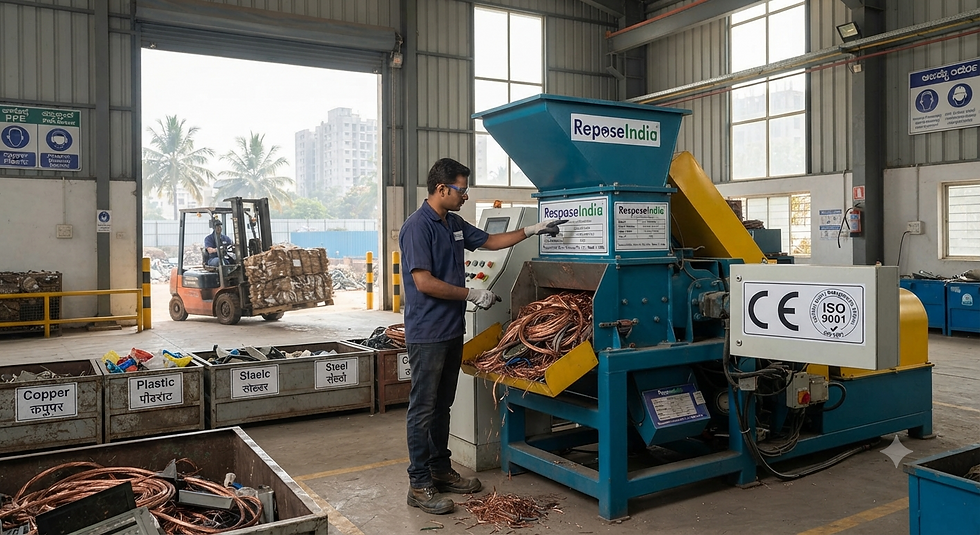


Recycling solutions are becoming more important than ever as communities look for practical ways to reduce waste and protect the environment. I really appreciate how modern recycling solutions go beyond just separating paper and plastic—they now include construction debris recycling, e-waste processing, metal recovery, and even organic waste composting.